Nourishing Your Body: A Comprehensive Guide to Nutrition
Welcome to Holistic Harmony Collective's nutrition hub! Here, we believe that optimal nutrition is the cornerstone of a healthy and balanced life. Our approach to nutrition focuses on whole, unprocessed foods, mindful eating, and personalized dietary plans to support your unique needs and wellness goals. Join us as we explore the essentials of macronutrients, micronutrients, and practical meal planning strategies to empower you to make informed choices and cultivate a nourishing relationship with food.
Understanding Macronutrients: The Building Blocks of Energy
Macronutrients are essential nutrients that your body needs in large amounts to function properly. They provide energy, support growth and repair, and regulate various bodily processes. The three primary macronutrients are carbohydrates, proteins, and fats.
Carbohydrates: Fueling Your Body
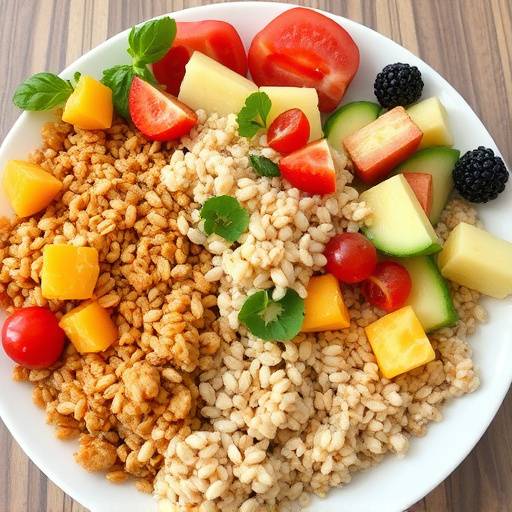
Carbohydrates are the body's primary source of energy. They are broken down into glucose, which is used to fuel cells, tissues, and organs. Choose complex carbohydrates such as whole grains, fruits, and vegetables over simple carbohydrates like refined sugars and processed foods. These provide sustained energy and essential nutrients.
- Sources: Brown rice, quinoa, oats, sweet potatoes, fruits (berries, apples, bananas), vegetables (broccoli, spinach, carrots)
- Benefits: Provides energy, supports brain function, aids in digestion
- Tips: Aim for complex carbohydrates and limit added sugars.
Proteins: Building and Repairing Tissues
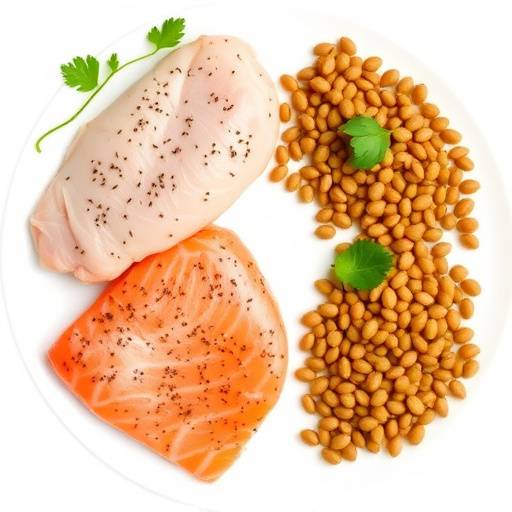
Proteins are essential for building and repairing tissues, producing enzymes and hormones, and supporting immune function. Include a variety of protein sources in your diet, such as lean meats, poultry, fish, beans, lentils, and nuts.
- Sources: Chicken, fish, tofu, lentils, beans, Greek yogurt, eggs
- Benefits: Builds and repairs tissues, supports immune function, promotes satiety
- Tips: Choose lean protein sources and vary your intake.
Fats: Essential for Hormone Production and Nutrient Absorption
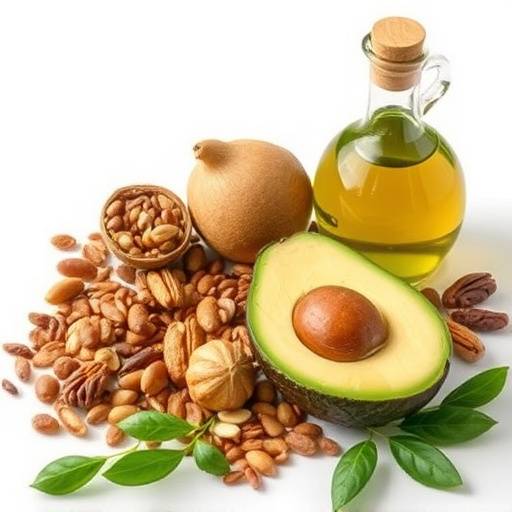
Fats are crucial for hormone production, nutrient absorption, and cell function. Focus on healthy fats such as monounsaturated and polyunsaturated fats found in avocados, nuts, seeds, and olive oil. Limit saturated and trans fats, which can increase the risk of heart disease.
- Sources: Avocados, nuts (almonds, walnuts), seeds (chia, flax), olive oil, fatty fish (salmon, mackerel)
- Benefits: Supports hormone production, aids in nutrient absorption, provides energy
- Tips: Choose healthy fats and limit saturated and trans fats.
Micronutrients: Vitamins and Minerals for Optimal Health
Micronutrients are vitamins and minerals that your body needs in small amounts to support various functions, including immune function, bone health, and energy production. A balanced diet rich in fruits, vegetables, and whole foods will provide you with the essential micronutrients you need.
Key Vitamins and Minerals
- Vitamin D: Essential for bone health and immune function. Sources include sunlight, fortified foods, and supplements.
- Vitamin C: An antioxidant that supports immune function and skin health. Sources include citrus fruits, berries, and bell peppers.
- Iron: Essential for carrying oxygen in the blood. Sources include lean meats, beans, and spinach.
- Calcium: Crucial for bone health and muscle function. Sources include dairy products, leafy green vegetables, and fortified foods.
- Potassium: Helps regulate blood pressure and fluid balance. Sources include bananas, sweet potatoes, and spinach.
Meal Planning Strategies for a Balanced Diet
Effective meal planning can help you achieve your nutritional goals and maintain a healthy eating pattern. Here are some tips to get you started:
Plan Ahead
Take some time each week to plan your meals and snacks. Create a shopping list based on your meal plan and stick to it when you go to the grocery store. This will help you avoid impulse purchases and ensure that you have all the ingredients you need for healthy meals.
Focus on Whole Foods
Build your meals around whole, unprocessed foods such as fruits, vegetables, whole grains, lean proteins, and healthy fats. These foods are rich in nutrients and provide sustained energy.
Prepare in Advance
Prepare some of your meals and snacks in advance to save time during the week. You can batch-cook grains, chop vegetables, or make a big batch of soup or stew.
Balance Your Plate
Aim for a balanced plate at each meal, with a mix of carbohydrates, proteins, and fats. A good rule of thumb is to fill half of your plate with vegetables, one-quarter with protein, and one-quarter with carbohydrates.
Stay Hydrated
Drink plenty of water throughout the day to stay hydrated and support overall health. Carry a water bottle with you and sip on it regularly. You can also include hydrating foods such as fruits and vegetables in your diet.
Sample Meal Plan
Here’s a sample meal plan to give you an idea of what a balanced and nutritious day of eating could look like:
| Meal | Description |
|---|---|
| Breakfast | Oatmeal with berries and nuts |
| Lunch | Grilled chicken salad with mixed greens, avocado, and vinaigrette dressing |
| Dinner | Baked salmon with roasted vegetables (broccoli, carrots, and sweet potatoes) |
| Snacks | Apple slices with almond butter, Greek yogurt with berries |
Hydration: The Elixir of Life
Water is essential for virtually every bodily function, from regulating temperature to transporting nutrients. Dehydration can lead to fatigue, headaches, and impaired cognitive function. Aim to drink at least eight glasses of water per day, and more if you are active or live in a hot climate.
- Carry a reusable water bottle and refill it throughout the day.
- Set reminders to drink water regularly.
- Infuse water with fruits and herbs for added flavor.

Mindful Eating: Cultivating a Healthy Relationship with Food
Mindful eating involves paying attention to the present moment while eating, savoring each bite, and recognizing hunger and fullness cues. This practice can help you develop a healthier relationship with food and prevent overeating.
- Eat slowly and savor each bite.
- Pay attention to your hunger and fullness cues.
- Minimize distractions while eating, such as TV or smartphones.
- Practice gratitude for your food.

The Holistic Harmony Collective Approach to Nutrition
At Holistic Harmony Collective, we believe that nutrition is not just about what you eat, but also about how you eat and your overall relationship with food. We offer personalized nutrition coaching services to help you develop a sustainable and enjoyable eating pattern that supports your health and well-being. Contact us today to schedule a consultation with one of our registered dietitians!
Holistic Harmony Collective
12 Serenity Lane
Ashwood, OR 97001
Phone: (503) 555-WELL (9355)
Email: [email protected]